


Incredible story of Martin Bidour shot twice

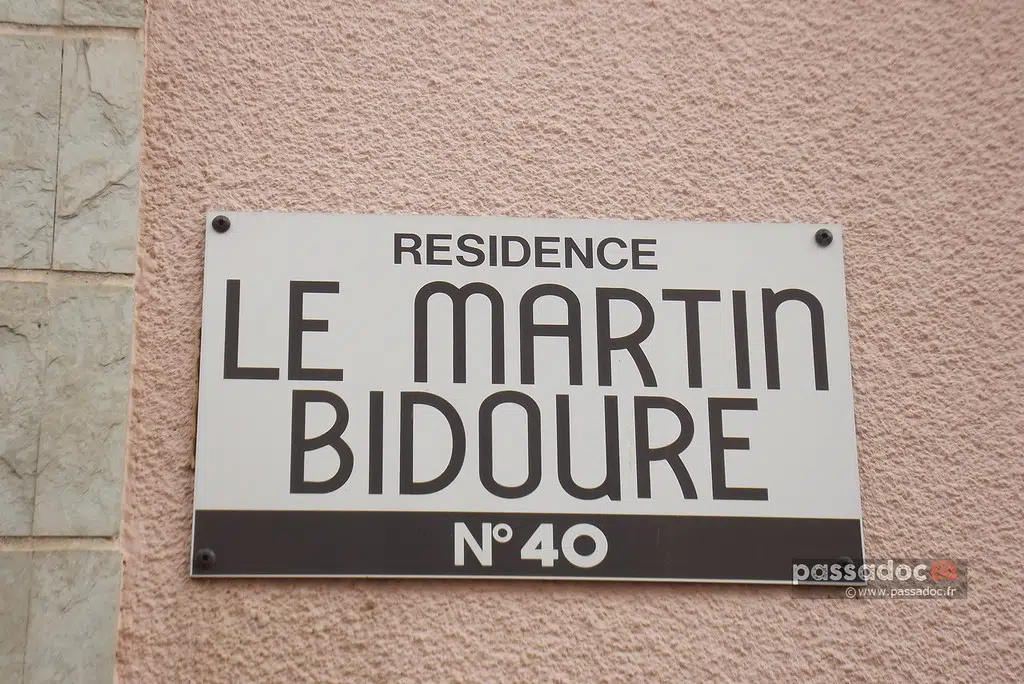
Jean Louis Ferdinand MARTIN was born in Barjols, Var, on August 24, 1825. He was the son of François, a long-time sawer from Apinac in the Loire, and Magdelaine Agnelly, daughter of farmers. But how did this man of the people leave his name on streets, squares or residences?
Background
On December 2, 1851 Louis-Napoleon Bonaparte proclaimed the dissolution of the National Assembly. The aim of this coup d'état was to keep him in power as he came to the end of his term of office, and the insurgent episode of 1851 was born. Since the revolution of 1848 many patriotic and republican clubs have emerged under the aegis of « the New Mountain » A secret society of which Ledru-Rollint is an instigator.
The Var is no exception to the rule and the patriotic club of « Red society » is very active in many villages including Barjols. Louis Ferdinand Martin will enter the legend under the name Martin Bidouré, he will become the symbol of this resistance to dictatorship for having been shot twice.
The facts
In 1851, the insurrection raged and it was under the command of Pierre Arambide that on 9 December the detachment of Ferdinand Martin, said « Bidouré » takes position on the heights of Tourtour in order to control the road of Draguignan.The poorly organized Republican leaders are in the indecision on the conduct to be held, Arambide sends Bidouré to Aups to Duteil to take orders. A horse loaned by Jean Joseph Blanc, Marshal Ferrant de Tourtour, (who will be condemned to deportation to Algeria) Martin will carry out his mission.
As he galloped towards Aups, the military column, mounted from Draguignan and commanded by Colonel Trauers and Prefect Pastoureau, surprised the contingent that scattered in nature and then continued its journey towards Aups, the troupe met Bidouré, who returned with order. Shots burst, shot in the head, and several sabre shots, Martin was left dead on the side of the road. The report of the Prefect Pastoureau will simply mention « that a stag loaded with an order for the insurgents had been shot on the road fromAups to Tourtour. »
LEGENDE ON THE MARKET
The story of poor Bidouré could stop there, in a ditch at the edge of a Varois hinterland road but destiny is sometimes stubborn when it decides to create a legend. It is the Republicans exiled in Nice who are then part of the County of Savoy over which Victor Emmanuel II reigns, who will make known the story of Bidouré in its entirety in a clandestine newspaper "People's Echo" on the basis of information from Aups, including those given by Martin himself before his execution. The newspaper of 8 June 1852 gave the version of his death. When intercepted by the gendarmes, Martin was led in front of the Prefect Pastoureau, who questioned him about the reasons for his race. We search him and find Duteil's message in Arambide. The prefect then seized a gun that Martin was carrying and discharged into his head. Martin was then sabered by the gendarmes and by a gentleman of Luke who accompanied the troupe. Left for dead, he's abandoned there. However, several hours after Martin regained consciousness, he then dragged himself to the nearby Baume estate, the farmer collected him, the dressing but learning the defeat of the insurgents and fearing that he might be accused of having assisted a rebel denounced him that evening to the mayor of Aups, who had him transported to the hospital where he was being treated by the sisters, under the supervision of the gendarmes. The next day he was led in front of the firing squad. After asking to confess, he receives the blessing of the priest, then walks to death with calm, firmness and resignation.
People's Echo will publish:
« A subscription has been circulated in the department of Var, the amount of which is intended to offer a sword of honour to Mr. Pastoureau. The subscribers are mistaken: it is a pistol that they must vote at the former prefect of the Var, today prefect of the Lot, in commemoration of the murder of Martin »
Become a symbol
Martin Bidouré will now be part of the Republican mythology of the Var Rouge.
A subscription launched shortly after the fiftieth anniversary of the insurgency will allow the building of the Barjols monument, a monument before which the population will protest against the Nazi occupier and his French accomplices, uniting tribute to the Republican insurgents and the patriotic ideal of the Resistance. I found his birth certificate in the departmental archives.


Responses