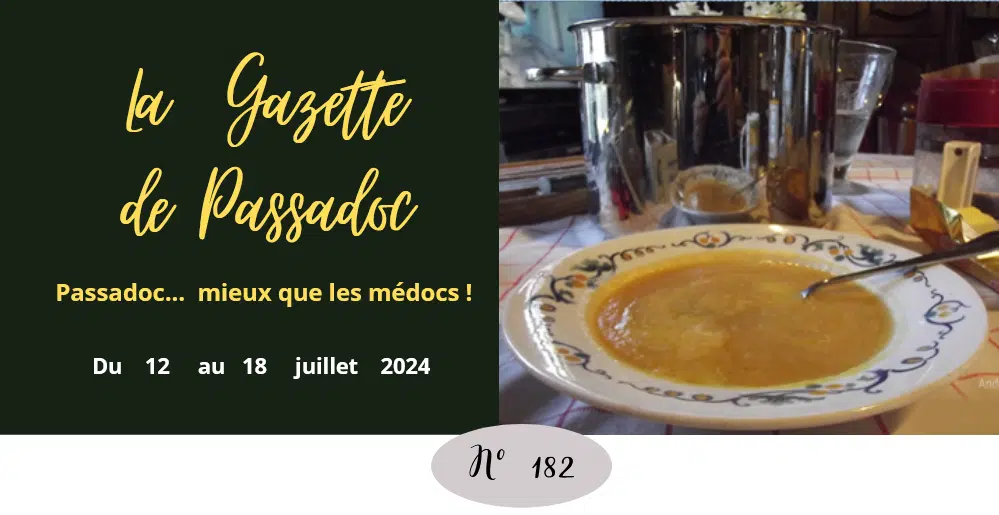
The Hebdo 182
At the table!
Soup*... It appears in our menus when man manages to control the fire, i.e. « some 400,000 years ago B.C.E. »Say the historians. It is then that hot water in which the Bocuse of the time throws roots, herbs and sometimes pieces of meat.
Over time, the recipe will enrich: cereals, vegetables of all kinds and the least leftovers of game because – ecolo without knowing it – the Neanderthalist does not throw anything!
The invaders, the travelers enrich the recipes: in the pot* We'll throw rice from the East... Fish, honey, spices... Wine.
This is the Middle Ages. Manuscripts mention the arrival of bread (replacing cereal cakes) which becomes the main meal of peasants, workers, poor people: a large slice of bread is watered with broth. Roborative, assisted by quenched soup is usually the only hot dish of the lunch or evening meal.
If the word « soup » is also used in the more affluent classes, from the 18th century it becomes « soup » in the nobility; We'll have three or four of them before we move on. According to legend, Louis XV created the recipe for the « Royal soup », which is other than... the onion soup for which you need onions of course, butter... And champagne!
Revenues will follow... Each has its name and its differences: consummated, velvety, bisque, broth, minetrone, brouet, garb, gaspacho, etc.
– And our soup, what do we call it?
– Say to smile that she's called bouillabaisse !
"Impossible, even to smile, because the bouillabaisse is not a soup!"
Jeanne Monin
Research on many sites.
At the linguist Alain Rey (D.H.L.F.)
* soup: the word appears in writing around 1195, from the Latin bottom « suppa ».
* pot: the word will give « soup » (circa 1240) → potted foods.

- The Echoes of the Week
Books and us
Wild child
The sheep and the photographer
Time passes...
Books and us
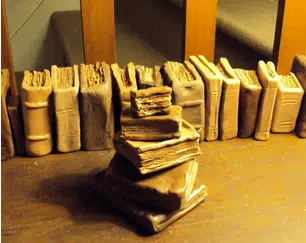
Every year, I make firm resolutions. I finally want to go back to reading. I haven't read a quarter of the books I've bought since I was young.
The wild child
Writing Claude Boyer
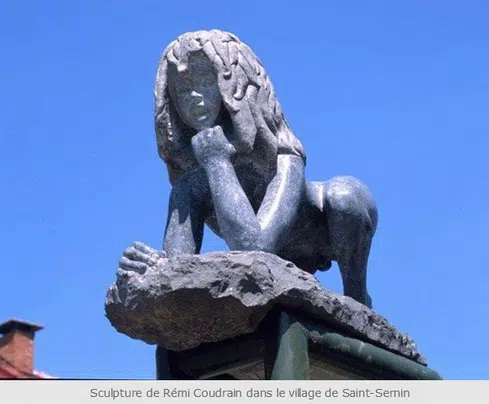
The sheep and the photographer
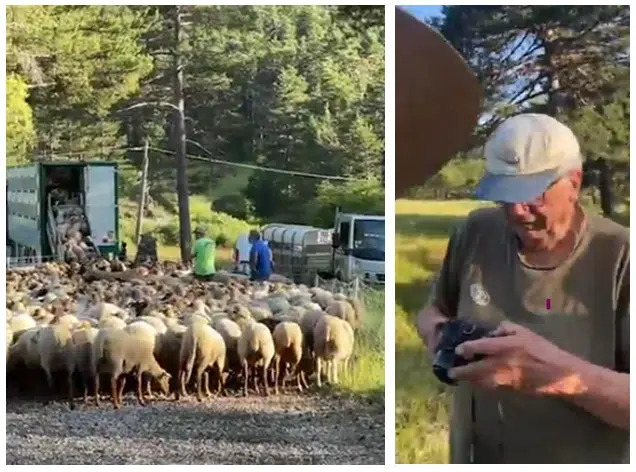
Little walk live.
Yes, yes, André too!
Time passes...
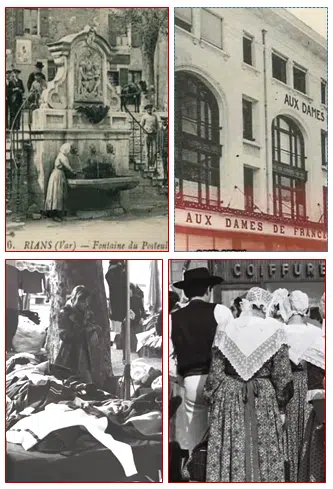
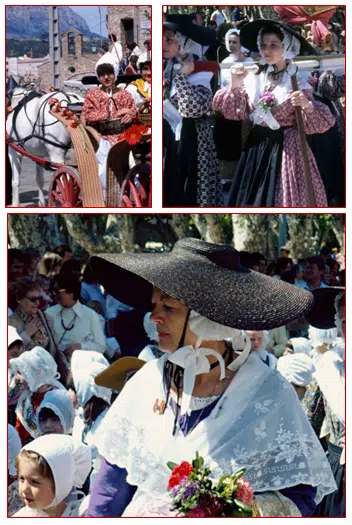
[Photos André Abbé – JFM postcard].
Jean-Philippe Tillois
Appearances of paradoxes or conflicts between our needs of nature and industrial ease, this need to discover who moves us and at the same time submerges us...
Discovery of leisure and search for how to occupy this free time up to a preference for free time over activity that approaches the limits of aggression,
Appearance of the mall which destroys the center of the village by its eccentric character,
Replacement of unit containers with packages that cannot be transported without the help of a vehicle,
Appearance of the single use, the disposable of the kleenex mentality in consumption but also in the relationship...
Tomorrow, if Passadoc shows us examples of human success, I will be more positive; Well, it didn't bite the squid yesterday, so I kind of got it!
Claude Boyer
It is true that our elders knew everything, from carriage to lunar rockets.
The plain of Luke was quickly used as an airfield.
My grandmother, born in Gonfaron in 1905, had told me that when she was a kid, she climbed up into the trees as soon as she heard the motors of the « Marguerite mowers » then to see them go closer...
[ Have the pin → Be angry (provençal) ]
Snowshoes are out!
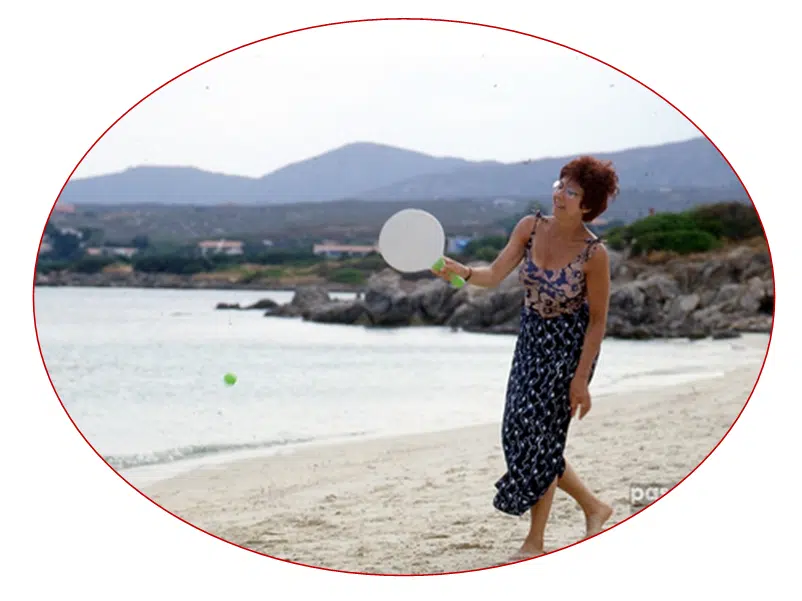
André Abbe
Snowshoes came out... by holidaymakers on the beaches of Provence... by the champions on the Paris courts for the Olympic Games.
The French have little chance of winning a tennis medal but they are great in table tennis, which I always call ping-pong, thanks to two talented brothers, the youngest being the most gifted.
European and Chinese pongists do not hold snowshoes the same way.
In tennis, the two-handed reverse is a novelty. In the 1960s, Pancho Gonzales and I were the only two to practice it, my friend Paul Dalbiès had pointed out to me.
I've never played tennis well! I was playing with both hands because of my fractured scaphoid.
These are cited in The Gazette : André Abbe – François Abbe – Claude Boyer – Jeanne Monin – Jean-Philippe Tinois.
Editor: Jeanne Monin.