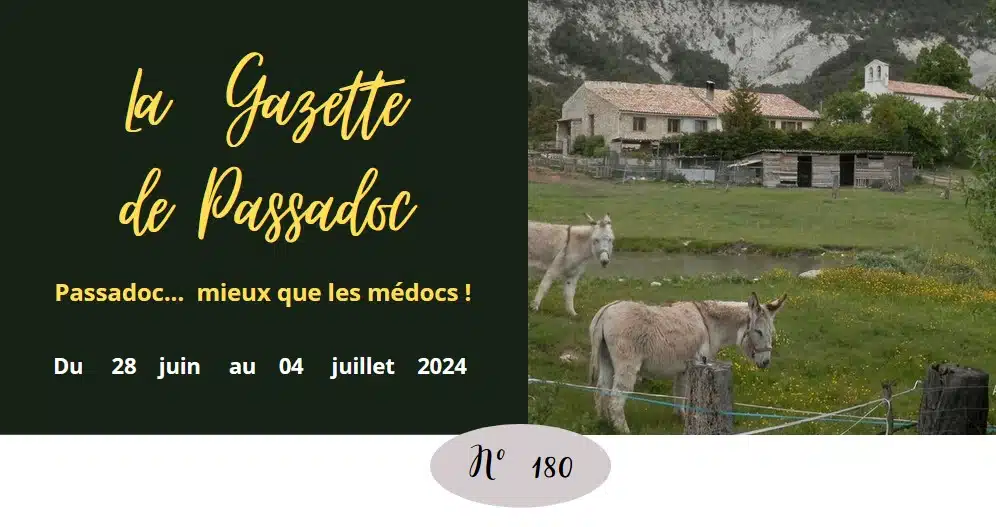
The Hebdo 180
Ass
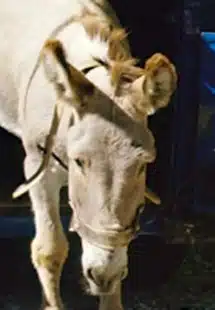
Ass... humble companion of the peasants of Dantan... It is said stupid, it is said stubborn, it is not given the elegance of the destriers of the gunmen or that of the royal mounts... Yet donkey has transformed the history of humanity, by providing its strength for agricultural work, only for transport in sometimes difficult areas*.
It is part of our childhood readings: To make you better known what donkeys are, I write and offer you these Memoirs, announcement Cadichon ; it also belongs to the legends* :
One day in the year 1645, while preparations for the procession were in full swing, a Gonfaronian refused to clean in front of his door and replied to the villagers as if to justify himself:
– If Saint Quinis finds the passage too dirty, he will only have to fly over it!
[…]
Some time later, returning from the countryside on the back of his donkey, he undertook to descend the Carnaute mountain (north of Gonfaron) towards the village. Great evil took him! The donkey, perhaps annoyed by the taons or simply unbalanced by a false step, suddenly speeded up his quiet course and exited the path. The animal would then have « stolen » above the ravine below, throwing on the ground his horseman who would have fallen into the ravine.
This misadventure was very quickly known to all in the village and the mocking inhabitants did not hesitate to say in the passage of the unfortunate villagers, finally out of his ravine,
– Well done, St. Quinis punished you, your donkey stole!
Here's the story as it came to us most often. In any case, it is the source of the legend that the donkeys of Gonfaron fly over the chapel of Saint Quinis in the first days of spring. A tip, look in the air if you go through it, you might be surprised!**
Jeanne Monin
* CNRS – Toulouse
* Memories of a donkey – Countess of Ségur – 1860
* General History of Gonfaron

- The Echoes of the Week
The South Station...
The hunter tree!
Vervein - Passadoc
The Provencal
Once is not custom
The South Station...

What is this station that promises to be from the south without more precision?
– It's Nice train station.indicates Jean-Philippe Tinois.
– [She]... has ceased any railway activity at the end of 1991 Giselle Penat-Lorde.
The hunter's tree!
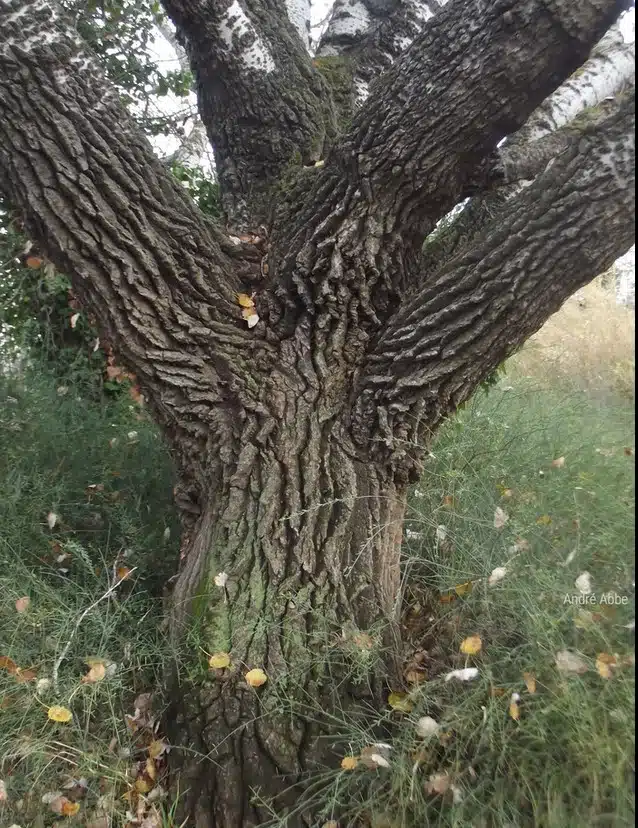
Nice picture – as always – dAndré Abbe
Why this title « Tree of the Hunter » ? To smile and remember the recommendation of comedian Pierre Doris (1919-2009):
» To hunt the rabbit, put yourself behind a tree and imitate the cry of the carrot! »
Vervein


Every year, in May or early June, I prepare my verbena liquor. My recipe changes from year to year. No monotony!
Me is the orange wine rather, but just like you: a recipe although following a fixed base is always different. The bottles are also more distributed than drunk and otherwise I like the myrtle liqueur which I also refine the recipe, the last innovation being the honey sugaring which has given a good result.
Giselle Penat-Lorde

The Provencal
On PASSADOC – whose mission is to highlight the heritage, history and traditions of the whole of southern France – it is very common to read publications in Occitan,
to watch videos while listening André Abbe talk about the past.
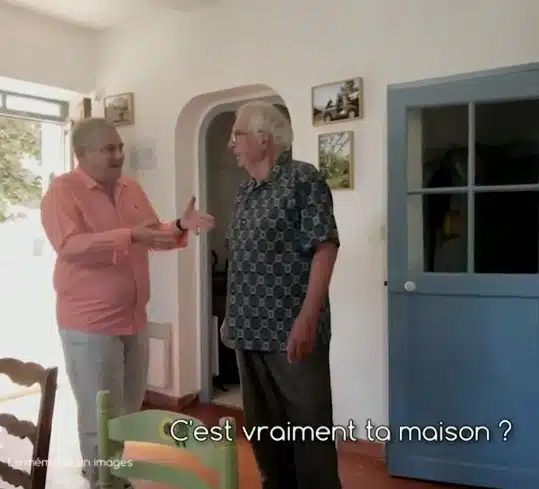
Once is not customary...
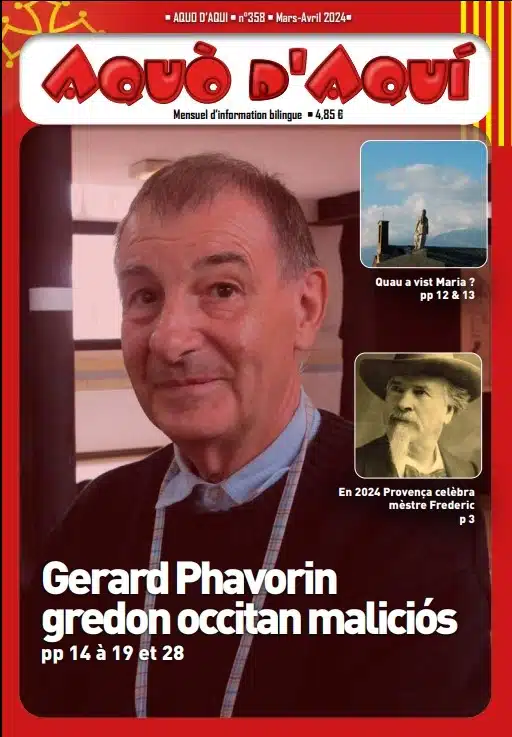
Cited in The Gazette : André Abbe – Jeanne Monin – Giselle Penat-Lorde – Jean-Philippe Tinois
Editor in Chief : Jeanne Monin