


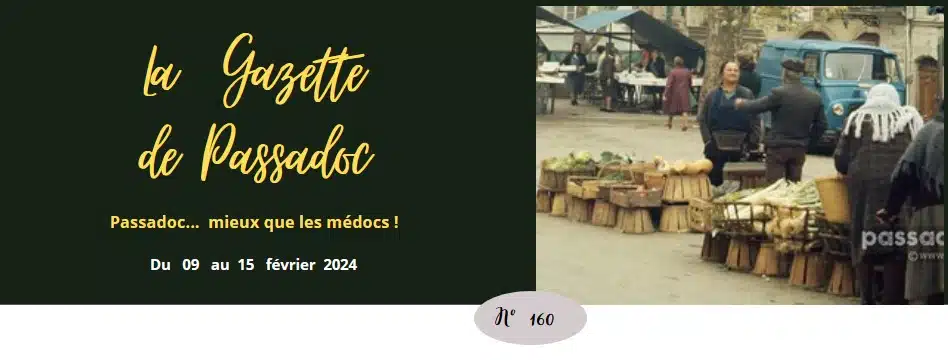
The weekly 160
The market...
It has existed since the dawn of time...
Originally, it is more barter than a real exchange of products for coins (which are still to be invented); Over time, markets have become as they are known today: in the countryside, in villages, stalls offer cheeses, butter, live or prepared poultry, vegetables, fruit; in cities, to all this, add fabrics, laces, ribbons... sewn leather besacks and braided wicker baskets...
Most of the time, it is weekly and it is a place of meetings, exchanges... And gossip!
– PJean, the son of the Seguins, is going to marry little Sylvette.
- No! Are you sure? They're so young! And the parents agree?
– Okay or not, there's an emergency... It was said that the lovebirds had celebrated Easter before the Palms* Hey!
Further on, it's Father Martin we're strutting!
– That old bitch! He sells more wine than he produces his vineyard!
And it's sloppy, and it's persistent, and it's meditating and slandering! From time to time, we are delighted because a boy from the village has gone up to the capital and today he is a doctor... It is the whole village that is honored by this beautiful success!
We're also worried about the sound of boots, the sounds of war coming from the east...
But now the church bell tower is ringing at noon... Merchants pack up... The place is empty...
Photography of markets once because nowadays everything is regulated, asepticated; the stalls are refrigerated, the vegetables and fruits removed from all traces of dust, the fish patient on the ice,... And the news we're commenting on is the news we hear on TV!
– What about our deal? Where is he?
Patience... There he is!
Jeanne Monin
*Celebrate Easter before the branches - so strong that a pregnancy is announced before marriage.
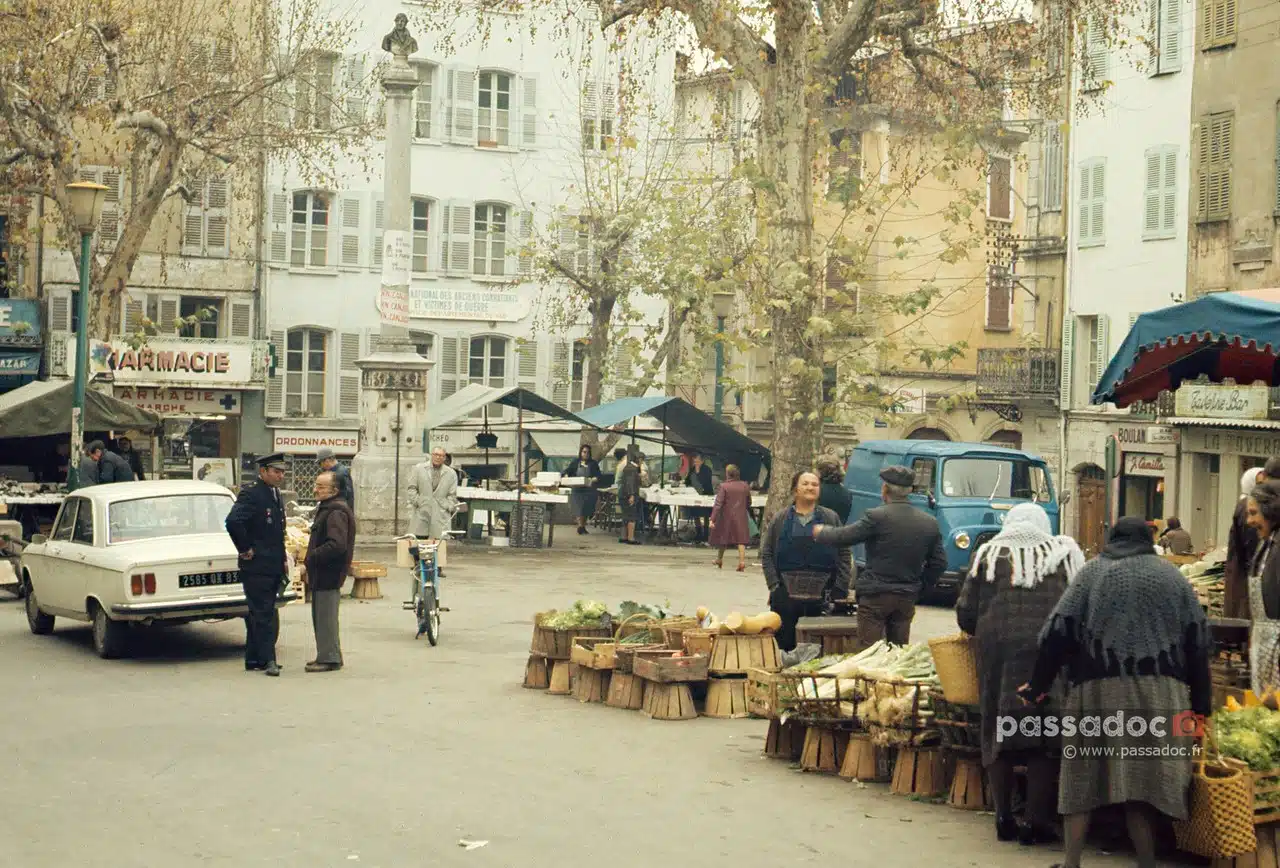


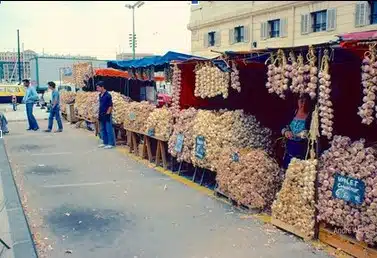
Draguignan... 1970 – photo A. Abbe
Andre and François come back
on the market square – photo M. Quiniou
Draguignan... 2024 – photo M. Quiniou
André Abbe
We returned to this market more than 50 years later. A pleasant moment in this place in Draguignan. But what is the story of the original photo?
In the 1970s, I had photographed the Draguignan market very early, at its very beginning.
My son asked, looking at the picture:
– What were you doing so early in Draguignan, 22 kilometers from home?
I couldn't answer. Later, the question was asked again and I remembered there.
I spent the night with the gamekeepers. When I left them, I went for a walk to the market. I explain:
– Four hunters were on a hunger strike. They protested a court decision. They occupied a local in Draguignan. They were there day and night.
I belonged to a group that supported the struggle of these friendly guards.
Each in turn, one of us spent the night with them, to testify in case someone wanted to dislodge them.
A hunting guard had denounced a colleague who was poaching. The administration had transferred. The story had made a noise as evidenced by an article in the newspaper The World 1973, date of photo.
We had participated in a demonstration in which we shouted « Justice for babysitting ». We had to articulate, « this » and « a/ »...
If one of the guards reads these lines, let me know how their hunger strike ended.
I had made several photos of this market, there is one left.

- The Echoes of the Week
Transhumance
Témoignage du temps qui passe
Hum… le parfum de l’ail !
14 février La Saint-Valentin
Les ânes du Mont Mounier
Transhumance
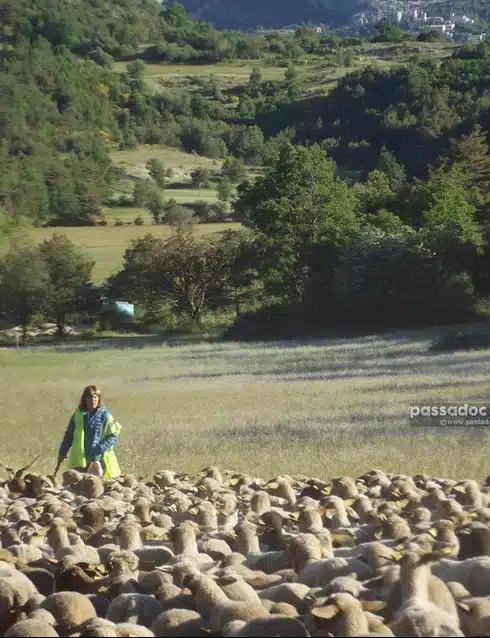
La transhumance…. Qu’est-ce que c’est ?
C’est la montée (ou la descente) de la montagne avec les moutons quand l’herbe manque plus près des côtes méditerranéennes.
La bergère qui mène le troupeau, c’est Martine Baron, dite Titon.
Témoignage du temps qui passe
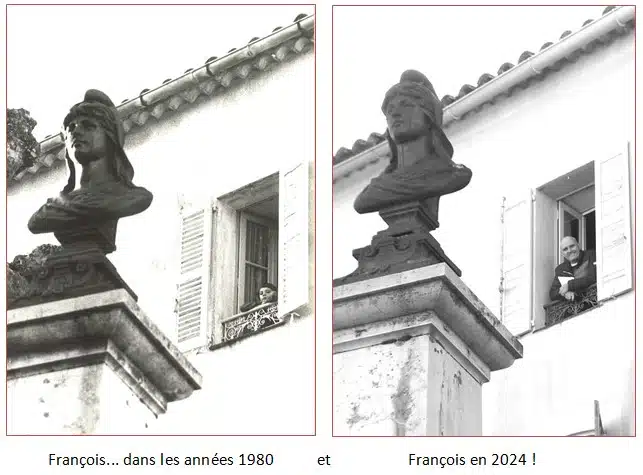
Point de photos, mais des regards sur des régions, des rues, des places… qui si elles ne changent pas d’aspect – telle la maison Abbe – changent de noms…
– Les Anglais sont des gens étranges qui donnent à leurs rues des noms de défaite, comme Trafalgar et Waterloo« .
Hum... Le parfum de l’ail !
14 février... Saint-Valentin
Les ânes du Mont Mounier

Claude Boyer
Cresi que lou premier es pas une saoume, es ben un ae…
Prochaine rencontre
Passadoc, c’est une association, des membres,
des lecteurs et de multiples auteurs.
Régine prépare quelque chose… On vous en dit plus très bientôt !
- Are cited in The Gazette :
André Abbe
Claude Boyer
Jeanne Monin - Editor in Chief
Jeanne Monin